Strategic Visual Calm: Leveraging Stained Glass Depicting Serene Ocean for Brand and Space Design
In an era defined by digital noise and rapid information turnover, the strategic value of visual tranquility cannot be overstated. A stained glass depicting serene ocean is not merely a decorative artifact; it is a deliberate design choice that communicates stability, depth, and clarity. For professionals, entrepreneurs, and creators, integrating such imagery into physical or digital environments serves a functional purpose beyond aesthetics. It anchors a space, influences mood, and reinforces brand narratives centered on trust and longevity.
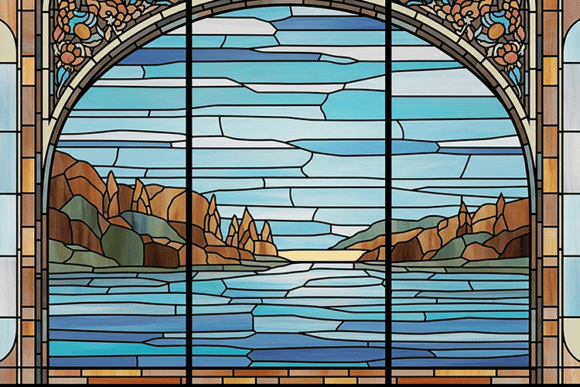
The specific asset in question—a high-resolution JPG file sized at 5824 x 3264 pixels—offers more than just a pretty picture. It represents a print-ready resource capable of scaling from large-format architectural installations to detailed digital backdrops. Understanding how to deploy this stained glass window featuring a serene ocean view with rocky shores and a blue sky requires a shift in perspective. We must move from viewing it as passive decor to recognizing it as an active tool for environmental psychology and brand positioning.
The Psychology of Color and Form in Professional Spaces
The composition of this artwork is critical to its strategic utility. The vibrant colors and artistic glasswork are not random; they are engineered to capture light and attention without causing cognitive overload. The dominant blues evoke calmness and reliability, traits highly sought after in corporate branding, healthcare facilities, and educational institutions. The rocky shores provide a counterpoint of stability and resilience, suggesting that while the environment may be fluid, the foundation remains solid.
When you introduce a stained glass depicting serene ocean into a workspace or client-facing area, you are subtly signaling control over chaos. For decision-makers and consultants, this visual cue can lower anxiety levels in high-stakes meetings. The decorative arch framing the scene adds a sense of classical structure and timelessness, appealing to audiences who value tradition and craftsmanship. This is particularly relevant for law firms, financial advisors, and heritage brands where trust is the primary currency.
Consider the impact on productivity. Open-plan offices often suffer from visual clutter and distraction. A focal point featuring a serene ocean view provides a mental "reset" button for employees. Studies in environmental psychology suggest that views of nature, even simulated ones, can reduce stress and improve concentration. By using a high-quality, print-ready file, you ensure that the detail remains crisp, maintaining the illusion of depth and reality that is essential for this psychological benefit.
Technical Specifications as Strategic Assets
The technical attributes of this file—5824 x 3264 pixels, JPG format, high quality, and print readiness—are not mere footnotes; they are enablers of versatility. In strategic planning, flexibility is key. A low-resolution image limits your options to small web thumbnails. However, a file of this magnitude allows for multi-channel deployment.
- Large Format Printing: The resolution supports printing at significant sizes without pixelation. This makes it suitable for lobby walls, conference room features, or retail storefronts where first impressions are critical.
- Digital Signage: High-definition screens in corporate headquarters or waiting areas require sharp imagery. A blurry image undermines professionalism. This stained glass depicting serene ocean maintains integrity across 4K displays.
- Marketing Collateral: From brochures to annual reports, the vibrant colors translate well to both offset and digital printing, ensuring brand consistency across touchpoints.
Using a print-ready file eliminates the bottleneck of sourcing higher-quality assets later. It allows for immediate execution of design plans, reducing time-to-market for interior refreshes or marketing campaigns. For freelancers and designers, having access to such high-fidelity assets streamlines the creative process, allowing more time to focus on layout and messaging rather than image enhancement.
Contextual Application and Risk Management
While the benefits are clear, the misuse of such a powerful visual element carries risks. Deploying a stained glass window featuring a serene ocean view without aligning it with your broader strategic goals can lead to mixed messages. For instance, a tech startup aiming to project disruptive innovation might find the traditional, classical feel of stained glass incongruent with their brand identity. In such cases, the artwork could be perceived as outdated rather than timeless.
To mitigate this risk, conduct a brand audit before integration. Ask yourself: Does this imagery support our core values? If your brand emphasizes agility and speed, the static, contemplative nature of stained glass might need to be balanced with dynamic typography or modern furniture. Conversely, if your brand emphasizes wisdom, care, and stability, this asset is a perfect fit.
Another consideration is lighting. Stained glass relies on light transmission to achieve its vibrancy. In a physical installation, placement near natural light sources or behind LED panels is crucial. Without proper illumination, the vibrant colors and artistic glasswork may appear dull, negating the intended emotional impact. For digital uses, ensure that color profiles are managed correctly to preserve the integrity of the blues and greens across different devices.
Enhancing Customer Experience and Brand Narrative
Customer experience is shaped by every sensory input. Visuals play a dominant role. A stained glass depicting serene ocean can serve as a conversation starter, creating a memorable anchor point in the customer journey. In hospitality settings, such as boutique hotels or spas, this imagery reinforces the promise of relaxation and escape. It tells the guest, before they even speak to staff, that their well-being is prioritized.
For educators and trainers, using this image in presentation decks or learning materials can help maintain engagement. The calming effect can reduce learner anxiety, particularly in complex or high-pressure training scenarios. It serves as a visual break, allowing participants to process information more effectively. The decorative arch frames the content, drawing the eye and providing a structured way to present data or quotes alongside the imagery.
Moreover, the artistic merit of the piece adds cultural capital. It signals an appreciation for craft and detail. For small business owners, displaying high-quality art distinguishes their space from competitors who rely on generic stock photography. It demonstrates an investment in quality that customers subconsciously associate with the quality of your products or services.
Long-Term Value and Sustainable Design Choices
Sustainability in design is not just about materials; it is about longevity. Trends fade, but classic imagery endures. A serene ocean view with rocky shores is not subject to the whims of seasonal design trends. By choosing a timeless aesthetic, you reduce the need for frequent updates and renovations. This is a cost-effective strategy for businesses looking to optimize operational expenses while maintaining a premium appearance.
The durability of the digital file also contributes to long-term value. As display technologies evolve, having a master file with high pixel density ensures that the asset remains usable. You are not locked into a specific medium. Today it might be a printed mural; tomorrow it could be part of a virtual reality environment or an augmented reality overlay. This future-proofing is a hallmark of strategic asset management.
Furthermore, the emotional resonance of nature-based imagery has lasting appeal. Unlike abstract patterns that may require explanation, the ocean is universally understood. It transcends cultural and linguistic barriers, making it an excellent choice for global brands or diverse workplaces. It fosters a sense of shared humanity and connection, which is increasingly important in fragmented social landscapes.
Making the Decision: When to Integrate
Deciding to use a stained glass depicting serene ocean should be a deliberate act. Consider it when:
- You need to establish trust: The stability of the rocks and the clarity of the water communicate reliability.
- You want to reduce stress: The calming blue tones are scientifically proven to lower heart rates and anxiety.
- You aim to elevate perceived value: The artistic complexity suggests sophistication and attention to detail.
- You require a versatile asset: The high-resolution JPG format allows for seamless integration across print and digital media.
Avoid using it if your brand voice is aggressively modern, minimalist, or disruptive, unless you are intentionally creating a juxtaposition. Always test the image in situ, whether physically or digitally, to ensure it harmonizes with existing elements. The goal is integration, not domination. The decorative arch should frame the experience, not overwhelm it.
In conclusion, the strategic use of a stained glass depicting serene ocean extends far beyond decoration. It is a tool for influencing behavior, reinforcing brand values, and enhancing user experience. By leveraging the high quality and versatility of this 5824 x 3264 pixel asset, professionals can create environments that are not only visually stunning but also psychologically supportive and strategically aligned with long-term business goals. Thoughtful integration of such elements leads to better outcomes, stronger connections, and a more resilient brand presence.