Evaluating Ornamental Window Grill Designs for Modern Fabrication
Ornamental window grill designs serve a dual purpose in architectural metalwork: they provide essential security while enhancing the aesthetic appeal of residential and commercial properties. For architects, interior designers, and metal fabrication businesses, selecting the right design is not merely about choosing a pattern; it involves understanding material compatibility, manufacturing methods, and structural requirements. This guide explores the practical considerations of integrating decorative iron window guards and traditional wrought iron window inserts into your projects, helping you determine if these solutions align with your specific goals.
Understanding the Scope of Decorative Metalwork
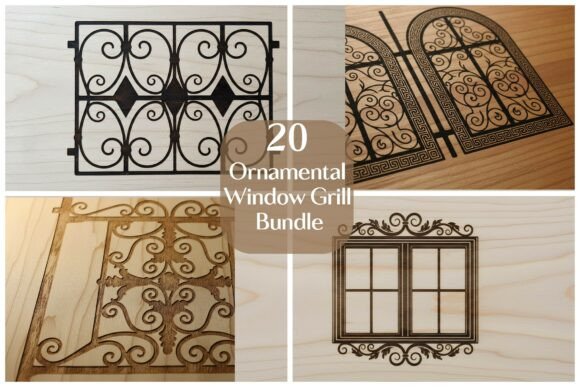
When we discuss ornamental window grill designs, we are referring to precision-engineered patterns that can be fabricated using various modern techniques. The market has shifted from purely hand-forged pieces to digitally driven production, allowing for greater consistency and scalability. A comprehensive collection typically includes diverse styles such as classic scroll window grills, which offer a timeless European look, and square ornamental grill panels that suit contemporary minimalist architectures. Additionally, arched window grill patterns provide a sophisticated touch for curved openings, while elegant decorative frame styles can accentuate standard rectangular windows.
The versatility of these designs lies in their adaptability. Whether you are working on balcony and window protection projects or creating standalone decorative architectural metalwork, the underlying vector files must be robust. High-quality designs are production-ready, featuring clean paths that ensure smooth operation across different cutting technologies. This precision is critical for maintaining the integrity of intricate details, especially when working with materials that have different thermal or mechanical properties.
Key Benefits for Fabricators and Designers
For metal fabrication businesses, the primary advantage of using pre-designed, precision vector files is efficiency. Instead of spending hours drafting custom patterns from scratch, professionals can utilize ready-made assets that are optimized for specific machinery. This collection supports multiple fabrication methods, including CNC router cutting, plasma cutting iron grills, and laser cutting steel window guards. Each method has distinct advantages, and having files formatted for all three ensures that you can select the best tool for the job based on material thickness and desired finish.
- Versatility in Material Application: These designs are suitable for a wide range of materials, including iron, steel, aluminum, wood, MDF, and even acrylic. This flexibility allows creators to match the grill to the building's existing style and budget constraints.
- Scalability and Precision: Because the files are provided in scalable formats like EPS and SVG, they can be resized without losing quality. This is crucial for fitting custom window dimensions without distorting the ornamental details.
- Enhanced Security and Aesthetics: Decorative iron window guards do not compromise safety for style. They act as a physical barrier against intrusion while adding visual value to the property, potentially increasing its market appeal.
Material Considerations and Tradeoffs
Choosing the right material is as important as selecting the design. Iron and steel are the traditional choices for traditional wrought iron window inserts due to their strength and durability. However, they require regular maintenance to prevent rust, particularly in humid climates. Aluminum offers a lightweight, corrosion-resistant alternative, making it ideal for coastal areas or high-rise balconies where weight is a concern. While aluminum may not have the same heavy, historic feel as wrought iron, it can be powder-coated to mimic darker finishes.
For interior applications or non-structural decorative elements, materials like wood, MDF, and acrylic come into play. CNC router cutting is particularly effective for these substrates. Wood and MDF allow for warm, organic aesthetics that blend well with traditional interiors, while acrylic can create modern, translucent effects. However, these materials lack the security benefits of metal. Therefore, if the primary goal is burglary prevention, metal remains the superior choice. If the goal is purely decorative partitioning or light diffusion, non-metal options may be more cost-effective and easier to install.
Production Readiness and File Formats
A significant factor in evaluating any digital design resource is the completeness of the file package. Professional fabrication requires more than just a visual preview. A robust collection should include vector files such as EPS and SVG for direct machine input, ensuring that CNC routers and laser cutters interpret the paths correctly. Raster images like PNG and JPG are useful for client presentations and marketing materials but cannot be used for cutting.
In this context, receiving a total of 100 files for 20 unique designs provides substantial value. This includes 20 EPS files, 20 SVG files, 20 PDF files, 20 high-resolution PNGs, and 20 JPG previews. The inclusion of PDF files is particularly helpful for sharing scalable proofs with clients who may not have specialized design software. High-resolution 300 DPI images ensure that printed catalogs or digital portfolios look professional. This comprehensive approach reduces the friction between design selection and actual production, allowing businesses to respond quickly to customer inquiries.
When to Choose Ornamental Grills vs. Alternatives
Ornamental window grills are a strong fit for projects where security and curb appeal are equally prioritized. They are ideal for ground-floor windows, patio doors, and balcony enclosures in urban environments. The classic scroll and arched patterns work exceptionally well in heritage homes or buildings aiming for a vintage aesthetic. Conversely, if a project demands maximum transparency and unobstructed views, such as in high-end panoramic apartments, heavy grills might feel intrusive. In such cases, laminated security glass or retractable mesh screens might be better alternatives, though they lack the decorative impact.
Additionally, consider the installation environment. For DIY enthusiasts or small workshops without access to plasma or laser cutters, these designs might still be usable if outsourced to a local fabrication shop. However, the complexity of some square ornamental grill panels may require precise welding skills post-cutting. If you lack welding capabilities, simpler designs or bolt-together kits might be more appropriate. Always assess your technical capacity against the complexity of the chosen pattern.
Making the Right Decision
To determine if ornamental window grill designs are right for your next project, start by defining the primary function: is it security, decoration, or both? Next, evaluate your available tools and materials. If you have access to CNC or laser cutting equipment, these vector files offer a turnkey solution that saves design time. If you are working with wood or acrylic, ensure your router bits are suitable for the intricate curves found in classic scroll patterns.
Finally, consider the end-user’s maintenance preferences. Metal grills require periodic painting or sealing, whereas aluminum or synthetic materials offer lower upkeep. By balancing aesthetic desires with practical constraints like budget, material availability, and maintenance requirements, you can select a design that enhances the property’s value without creating long-term burdens. This balanced approach ensures that the ornamental element serves its purpose effectively, blending form and function seamlessly.